

The automotive world is experiencing a major transition. With growing environmental concerns, rising fuel prices, and evolving government regulations, consumers now have more choices than ever when it comes to vehicle powertrains. Among the most significant decisions car buyers face today is whether to choose an electric vehicle (EV), a hybrid, or stick with a traditional gasoline-powered car.
Each of these vehicle types offers unique benefits, drawbacks, and considerations. What’s right for one driver may not suit another, depending on driving habits, budget, lifestyle, and personal values. This comprehensive guide compares electric, hybrid, and gasoline cars across multiple dimensions to help you make an informed decision.
1. Understanding the Basics
A. Gasoline Cars
These are conventional internal combustion engine (ICE) vehicles that run solely on gasoline. They’ve dominated the market for over a century and offer reliable performance with widespread refueling infrastructure.
B. Hybrid Cars
Hybrids combine a gasoline engine with an electric motor. The two systems work together or independently to improve fuel efficiency. There are two main types:
- Standard Hybrids (HEVs): Recharge through regenerative braking and the engine (e.g., Toyota Prius).
- Plug-In Hybrids (PHEVs): Can be charged using an outlet and typically have a longer electric-only range (e.g., Chevrolet Volt).
C. Electric Vehicles (EVs)
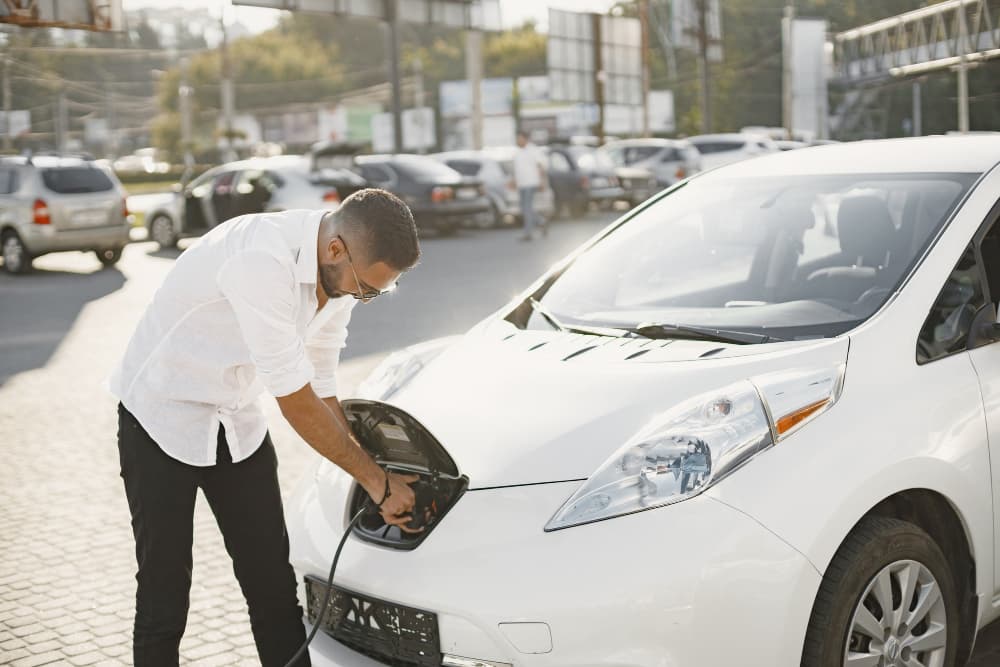
EVs are fully powered by electricity and do not use gasoline at all. They rely on large battery packs and electric motors (e.g., Tesla Model 3, Nissan Leaf). Charging is done through home or public charging stations.
2. Purchase Price and Incentives
A. Electric Vehicles
- Higher upfront costs, mainly due to expensive battery technology.
- However, prices are dropping as technology improves and production scales up.
- Government incentives can significantly reduce costs. In the U.S., federal tax credits up to $7,500 are available, plus state/local rebates.
B. Hybrids
- Generally less expensive than EVs but pricier than gasoline cars.
- Plug-in hybrids may also qualify for federal and state incentives.
- Long-term savings on fuel can make up for the initial investment.
C. Gasoline Cars
- Typically the cheapest upfront option.
- Wide range of models and price points available.
- No incentives or rebates.
Summary:
- If you’re on a tight initial budget, gasoline may win.
- If you’re willing to invest more upfront for long-term savings and incentives, EVs and hybrids are strong contenders.
3. Fueling and Charging Costs
A. Electric Vehicles
- Electricity is cheaper per mile than gasoline.
- Example: Charging an EV may cost $0.03–$0.06 per mile vs. $0.10–$0.15 for gasoline cars.
- Home charging adds convenience; public charging stations may vary in cost.
B. Hybrids
- Better fuel economy than gasoline cars (40–60+ mpg).
- Plug-in hybrids allow short commutes using only electricity before switching to gas.
C. Gasoline Cars
- Most expensive to fuel per mile.
- Susceptible to price fluctuations in the oil market.
- Larger or performance-oriented vehicles consume more fuel.
Summary:
Over time, EVs and hybrids save money on fueling. If you drive frequently or long distances, those savings can be substantial.
4. Maintenance and Repair Costs
A. Electric Vehicles
- Fewer moving parts, no oil changes, no exhaust systems, or spark plugs.
- Lower routine maintenance costs.
- Battery replacement is expensive, but warranties typically cover 8–10 years or 100,000+ miles.
B. Hybrids
- Require both electric and gas maintenance.
- Engine wear is reduced, but battery maintenance or replacement can be costly after many years.
- More complex systems may require specialized service.
C. Gasoline Cars
- Require regular oil changes, tune-ups, air filter changes, and exhaust system repairs.
- Maintenance costs are generally higher over time compared to EVs.
- Mechanics are widely available and repairs are usually cheaper than hybrid-specific components.
Summary:
EVs are the lowest maintenance overall, while hybrids are in the middle. Gasoline cars require more frequent service and part replacements.
5. Range and Convenience
A. Electric Vehicles
- Modern EVs have ranges between 150–400 miles per charge.
- Charging infrastructure is growing but still lags behind gas stations.
- Charging time can vary:
- Level 1 (home outlet): 12–24+ hours
- Level 2 (240V): 4–8 hours
- Level 3 (DC fast charging): 30–60 minutes
B. Hybrids
- Offer gasoline convenience with electric efficiency.
- Standard hybrids don’t need to be plugged in.
- Plug-in hybrids can run 20–50 miles on electricity before using gas.
C. Gasoline Cars
- Longest range and fastest refueling (3–5 minutes).
- Ideal for long road trips or remote locations with limited infrastructure.
Summary:
- Gasoline cars win for convenience.
- Hybrids are the best of both worlds.
- EVs are improving rapidly, but charging infrastructure and range anxiety remain issues for some drivers.
6. Environmental Impact
A. Electric Vehicles
- Zero tailpipe emissions.
- Lower overall emissions, even when accounting for electricity generation.
- Greener if charged with renewable energy (solar, wind).
- Battery production has environmental costs, but life-cycle analysis still favors EVs.
B. Hybrids
- Emit fewer greenhouse gases than gasoline vehicles.
- Less efficient than EVs but a significant improvement over ICE cars.
C. Gasoline Cars
- Highest emissions of CO₂, NOx, and other pollutants.
- Negative impact on air quality and climate change.
Summary:
If sustainability is your priority, EVs are the best choice, followed by hybrids. Gasoline cars are the least eco-friendly.
7. Driving Experience
A. Electric Vehicles
- Instant torque provides quick acceleration.
- Quieter, smoother ride.
- Regenerative braking feels different but improves efficiency.
B. Hybrids
- Smoother than gasoline vehicles but can feel less responsive.
- Some models seamlessly switch between electric and gas power.
C. Gasoline Cars
- Familiar driving feel and wide variety of performance levels.
- Engine noise and vibrations are standard.
Summary:
EVs often provide the most modern and enjoyable driving experience, especially in urban environments.
8. Resale Value and Market Trends
A. Electric Vehicles
- Resale values are improving with longer range and brand reputation (e.g., Tesla).
- May depreciate quickly due to rapid technological advancement.
- Government incentives do not apply to used EVs.
B. Hybrids
- Proven technology with decent resale values (Toyota Prius is a standout).
- Demand is strong as buyers look for fuel-efficient options.
C. Gasoline Cars
- Resale value depends on brand, fuel economy, and condition.
- May decline as EV adoption increases and regulations tighten.
Summary:
Hybrids currently offer the best balance of resale value and demand. EVs are catching up fast, while gasoline cars may lose ground in the coming years.
9. Ideal Buyers for Each Vehicle Type
Electric Vehicles: Best For
- Eco-conscious drivers
- Urban and suburban dwellers with access to charging
- Daily commuters (short to moderate range)
- Tech-savvy individuals
Hybrid Cars: Best For
- Drivers wanting better fuel economy but not ready for full EV
- Those with long commutes
- Areas with limited charging infrastructure
- Environmentally conscious consumers on a budget
Gasoline Cars: Best For
- Long-distance travelers or rural drivers
- Drivers who prioritize initial cost
- Areas with little to no EV infrastructure
- Those uninterested in EV or hybrid technology
10. Final Verdict: Which Should You Choose?
| Feature | Electric Vehicle | Hybrid Vehicle | Gasoline Vehicle |
| Upfront Cost | High | Moderate | Low |
| Fueling/Charging Cost | Lowest | Moderate | Highest |
| Maintenance | Lowest | Moderate | Highest |
| Range/Convenience | Moderate | High | Highest |
| Environmental Impact | Best | Better | Worst |
| Driving Experience | Excellent | Good | Average |
| Infrastructure Needs | High | Low | None |
Ultimately, the best choice depends on your specific needs. Ask yourself:
- How far do you drive daily?
- Can you install a home charger?
- What is your budget?
- Do you want to reduce your carbon footprint?
- Are fuel and maintenance costs a concern?
Conclusion
The automotive landscape is rapidly evolving, giving consumers more choices than ever. Whether you choose an electric, hybrid, or gasoline vehicle, the key is to understand your driving habits, financial situation, and long-term goals.
- If you want zero emissions and future-ready tech, go fully electric.
- If you need a balance between fuel savings and flexibility, a hybrid may be ideal.
- If you want simplicity, lower upfront costs, or frequently drive long distances, gasoline vehicles still serve a purpose.
No matter your choice, it’s an exciting time to be in the driver’s seat of a changing automotive world.







Leave a Reply